
Geschmack des Gebiets

It seems that "mpanatagghi" is a specific term or name that may not have a direct translation in German. If it refers to a particular dish or cultural item, it might be best to keep it as is or provide a brief explanation. If you have more context or details about what "mpanatagghi" refers to, I wou

Dolci tradizionali
Geschmack des Gebiets

Die Geschichte des Geschmacks

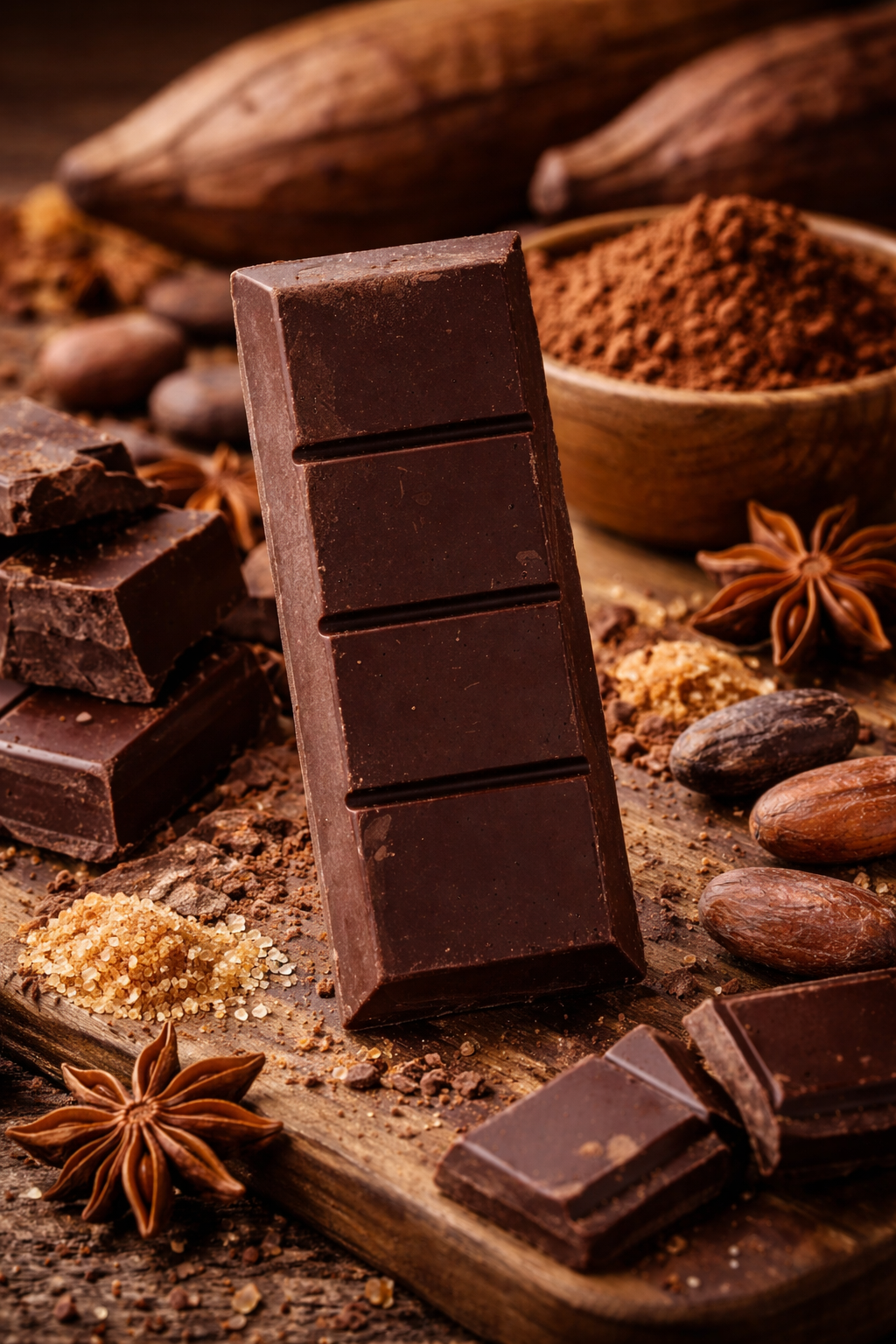
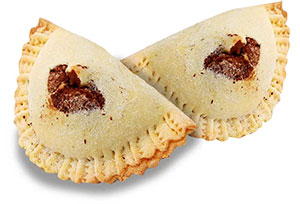
Zutaten: Mischung aus Mandeln, Walnüssen, Schokolade, Zucker, Zimt, Nelken und Rindfleisch.
Secondo una leggenda, furono le monache benedettine a creare gli 'mpanatigghi, dolci ripieni di carne. Lo fecero per fornire ai preti in periodo di Quaresima, che erano debilitati dal digiuno e dalle lunghe prediche, il giusto apporto proteico. I preti, ovviamente, non sapevano che i dolci contenevano carne. Il gusto della carne era camuffato dalle mandorle, dalle spezie e dal cioccolato, che era considerato alimento magro e quindi consentito durante la Quaresima.

Materie, Licht und Tafel

Materie, Licht und Tafel

Geschmacksnotizen

Geschmacksnotizen

Kategorie Dolci tradizionali
Tradition It seems that "mpanatagghi" is a specific term or name that may not have a direct translation in German. If it refers to a particular dish or cultural item, it might be best to keep it as is or provide a brief explanation. If you have more context or details about what "mpanatagghi" refers to, I wou

Weitere Aromen und Traditionen

Weitere Aromen und Traditionen

Produkte, Gesten und kulinarische Erinnerungen, die die Gebietserzaehlung fortsetzen.

It seems that "mpanatagghi" is a specific term or name that may not have a direct translation in German. If it refers to a particular dish or cultural item, it might be best to keep it as is or provide a brief explanation. If you have more context or details about what "mpanatagghi" refers to, I wou

Dolci tradizionali

Description

Zutaten: Mischung aus Mandeln, Walnüssen, Schokolade, Zucker, Zimt, Nelken und Rindfleisch.

History

Secondo una leggenda, furono le monache benedettine a creare gli 'mpanatigghi, dolci ripieni di carne. Lo fecero per fornire ai preti in periodo di Quaresima, che erano debilitati dal digiuno e dalle lunghe prediche, il giusto apporto proteico. I preti, ovviamente, non sapevano che i dolci contenevano carne. Il gusto della carne era camuffato dalle mandorle, dalle spezie e dal cioccolato, che era considerato alimento magro e quindi consentito durante la Quaresima.